

Kitchen Remodeling Timeline in Texas: When Should You Order Your Countertops?
Planning a kitchen remodel in Texas involves more than choosing cabinets, flooring, appliances, and a countertop color. One of the biggest mistakes homeowners make is waiting too long to plan their countertops.
Countertops are often installed toward the later stages of a kitchen renovation, but the decisions that affect them need to happen much earlier. Measurements, cabinet installation, material selection, fabrication, sink choices, and scheduling all need to line up properly.
If you're remodeling a kitchen in Dallas, Arlington, Plano, Frisco, McKinney, or another DFW-area city, understanding the typical remodeling sequence can help prevent unnecessary delays.
How Long Does a Typical Kitchen Remodel Take?
Every project is different, but a complete kitchen renovation can take several weeks or longer depending on the scope of work.
A typical project may include:
- Planning and design
- Cabinet selection and ordering
- Demolition
- Plumbing and electrical work
- Cabinet installation
- Countertop templating
- Countertop fabrication
- Countertop installation
- Backsplash and finishing work
The important point is that countertops should not be treated as an afterthought. Their final measurements depend heavily on the cabinets and the actual layout of the kitchen.
When Should You Choose Your Countertop?
Ideally, homeowners should begin researching countertop materials during the planning and design stage.
You do not necessarily need to have the final countertop measurements at this point, but choosing the general material, color, edge style, sink configuration, and budget early can make the renovation much easier to manage.
For example, a homeowner might decide between quartz and granite while the cabinets are being selected. This allows the contractor and fabricator to plan around the final design instead of trying to make last-minute decisions.
Why Countertops Usually Cannot Be Measured Too Early
One common question is: "Why can't my countertop be measured before the cabinets are installed?"
The answer is accuracy.
Countertops are fabricated to fit the actual cabinet layout and wall conditions. Even small differences between the planned layout and the finished installation can affect measurements.
Professional countertop fabrication generally requires a completed or sufficiently prepared cabinet installation before final templating.
This is especially important for kitchens with:
- Large islands
- Peninsulas
- Irregular walls
- Multiple countertop sections
- Undermount sinks
- Cooktop cutouts
- Waterfall edges
The Countertop Process During a Kitchen Remodel
1. Plan the Kitchen Layout
Start with the overall kitchen design. Cabinet locations, appliance positions, islands, sinks, and walkways should be established before final countertop measurements are taken.
2. Select Your Countertop Material
Once you know the layout, start narrowing down your countertop material and design. Quartz and granite remain popular choices for Texas kitchens because they offer different combinations of appearance, durability, maintenance requirements, and price.
3. Confirm the Sink and Appliance Details
Your sink and certain appliances can affect countertop fabrication. For example, an undermount sink requires a specific cutout, while a cooktop requires its own opening.
Make sure these details are confirmed before fabrication begins.
4. Install the Cabinets
The cabinets should be installed and properly secured before the final countertop template is created.
This gives the fabricator accurate information about the finished kitchen rather than relying only on architectural drawings or preliminary measurements.
5. Complete the Countertop Template
After the cabinets are ready, the countertop fabricator can create the final template. This is one of the most important steps because the template determines how the material will be cut.
6. Fabricate the Countertops
The selected slab or slabs are cut and finished according to the approved measurements and design.
Fabrication time can vary depending on the material, project size, edge profile, cutouts, seams, and the fabricator's current schedule.
7. Install the Countertops
Once fabrication is complete, the countertops can be installed. The installation may include positioning the slabs, joining seams, securing the countertop, installing the sink where applicable, and completing the finishing work.
What Can Delay Countertop Installation?
Several issues can push a countertop installation date back.
- Cabinets are not ready for templating
- Last-minute changes to the kitchen layout
- Delayed sink or appliance decisions
- Material availability
- Complex fabrication requirements
- Unexpected wall or cabinet issues
- Changes requested after the template is approved
- Scheduling conflicts during a busy remodeling period
Planning these details early can reduce the chance of having an unfinished kitchen sitting idle while waiting for countertops.
Should You Order Countertops Before Installing Cabinets?
In most custom countertop projects, the final fabrication should wait until the cabinets are installed and ready for accurate templating.
However, selecting the countertop material earlier is usually a smart move.
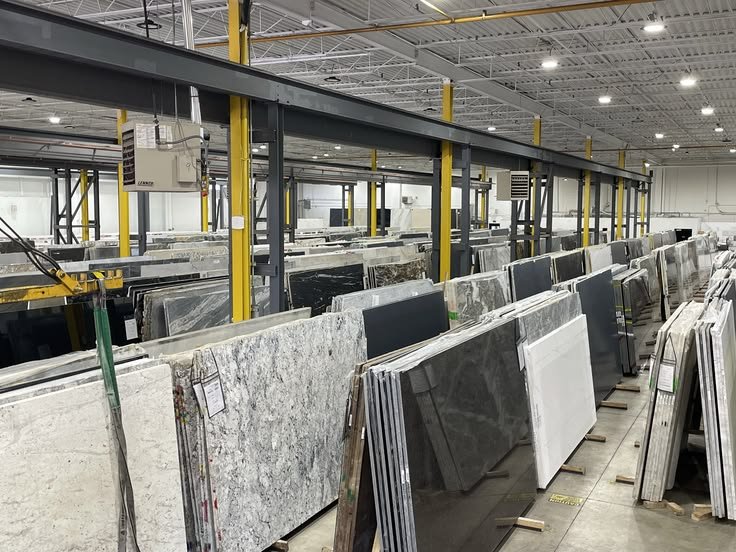
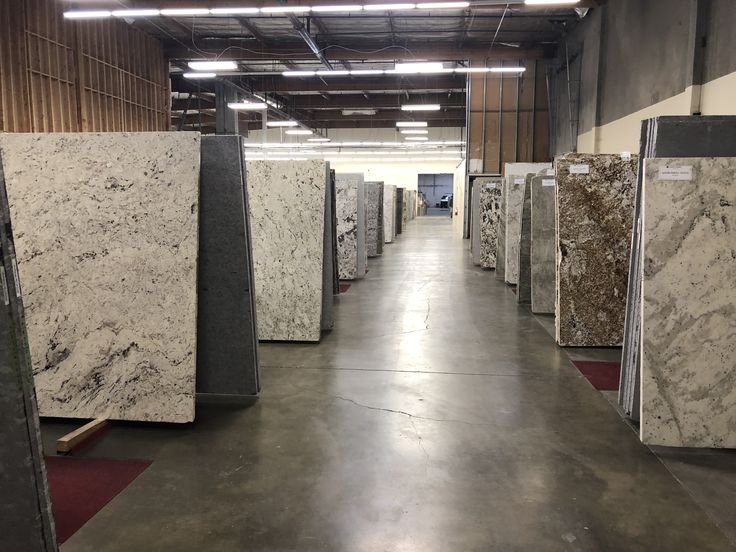
This gives you time to compare materials, inspect available colors and patterns, confirm the sink configuration, and coordinate the countertop schedule with the rest of the renovation.
How to Avoid Kitchen Remodeling Delays
A simple project schedule can make a major difference.
Before demolition begins, try to have the major design decisions already made. This includes cabinets, appliances, sink type, countertop material, and the general countertop design.
As the cabinets approach installation, contact your countertop fabricator and discuss the expected timeline for templating, fabrication, and installation.
Keeping the contractor, cabinet installer, countertop fabricator, plumber, and other trades coordinated can help prevent scheduling problems.
Countertop Planning for Dallas-Fort Worth Homes
Kitchen remodeling projects across the Dallas-Fort Worth area can vary significantly. A small kitchen update in Arlington may have very different requirements from a large custom kitchen renovation in Frisco, Plano, McKinney, or surrounding communities.
Large islands, multiple slabs, detailed edges, specialty sinks, and custom layouts can all require additional planning.
That is why homeowners should discuss the project with their countertop fabricator before reaching the final stages of the remodel.
A Simple Countertop Remodeling Checklist
- Finalize the kitchen layout
- Choose your cabinet configuration
- Select your countertop material
- Choose the sink type
- Confirm appliance locations
- Install and level the cabinets
- Schedule countertop templating
- Approve the countertop design
- Allow time for fabrication
- Schedule professional installation
- Complete plumbing and finishing work
Final Thoughts
The best time to think about your new countertops is not the day before installation. Countertops should be part of the kitchen remodeling plan from the beginning, even though final measurements are normally taken after the cabinets are ready.
By selecting your material early, confirming your sink and appliance requirements, and coordinating the fabrication schedule with your contractor, you can make the final stage of your kitchen renovation much smoother.
If you're planning a kitchen remodel in the Dallas-Fort Worth area and need custom quartz or granite countertops, Texas Specialized Quartz & Granite can help you plan the countertop portion of your project from material selection through professional fabrication and installation.