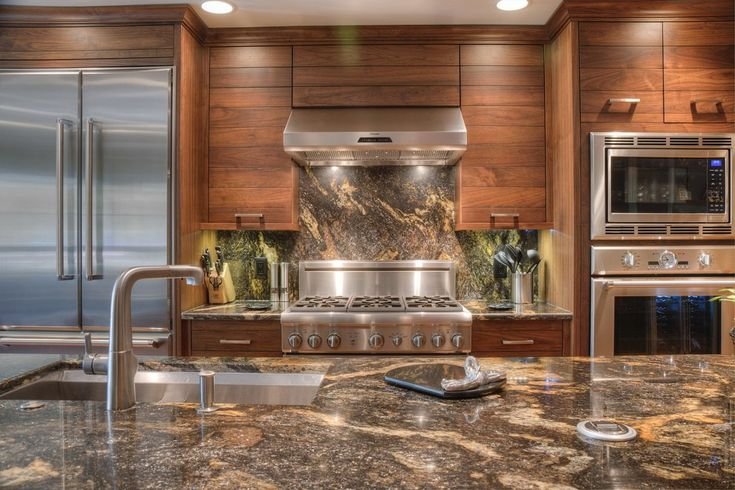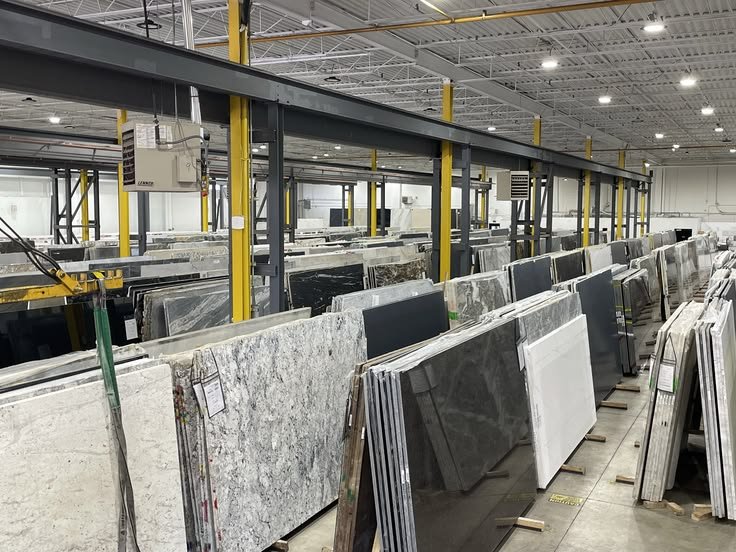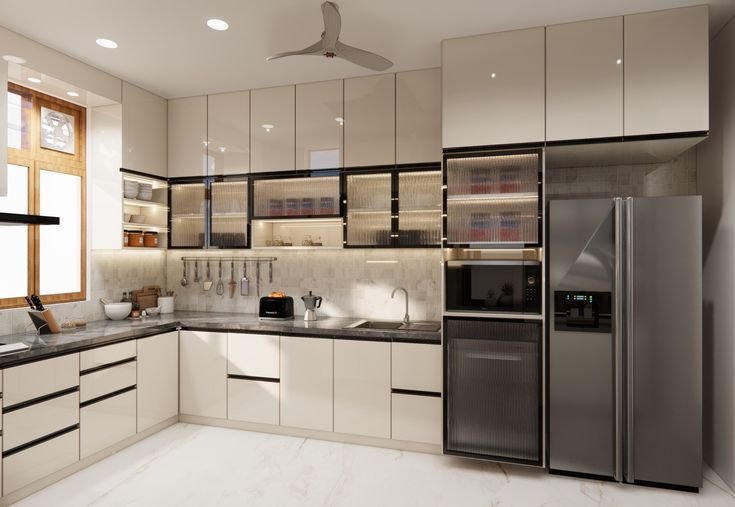


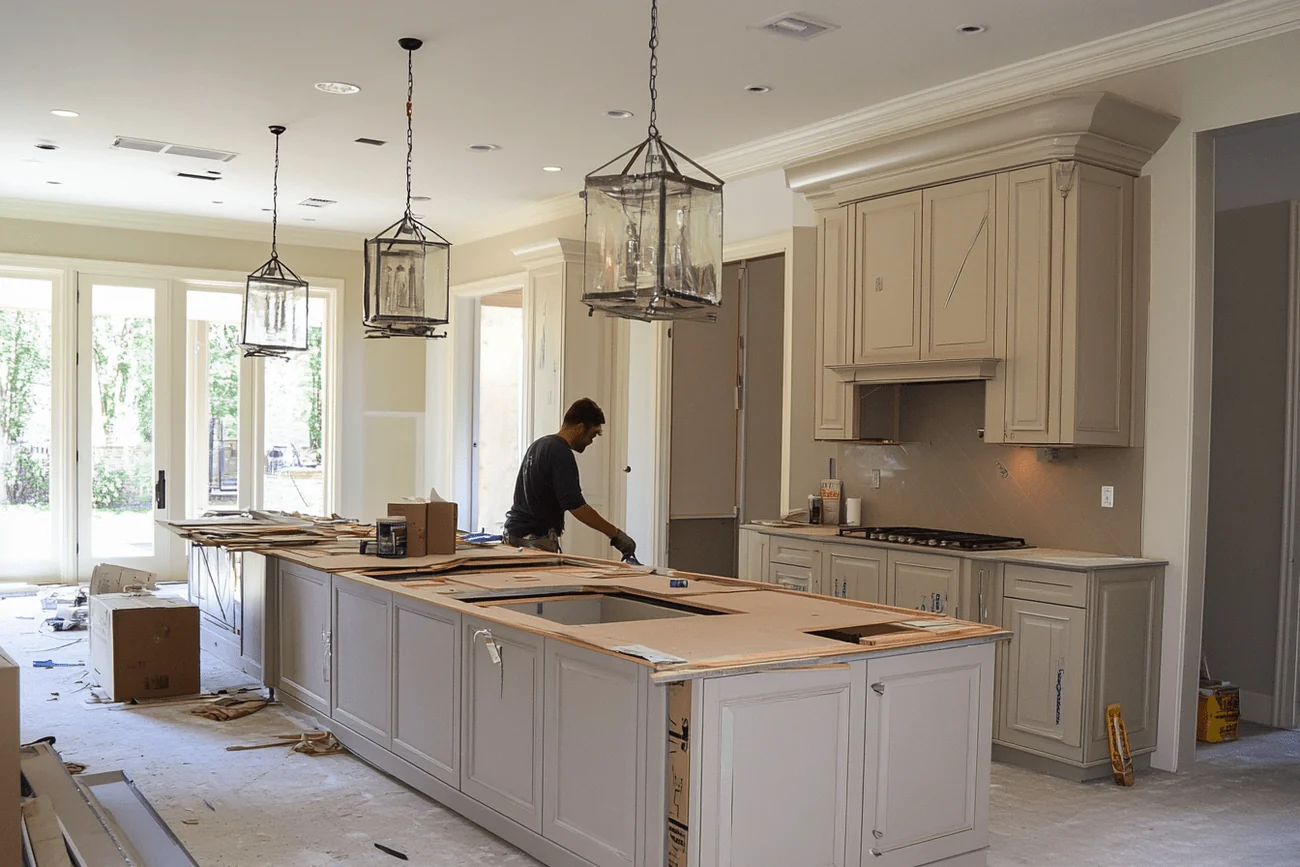
Yes, you can often replace countertops without replacing cabinets. The key is whether the existing cabinet boxes are in suitable condition for the new surface. Their stability, support, and fit matter more than whether the doors look dated. The sink, backsplash, and any planned layout changes also need to be considered before fabrication.
For a homeowner in Dallas or the wider Dallas–Fort Worth area, this can be a practical way to update a kitchen that already works well. You keep the storage and layout you like while replacing the surface you use every day. Here is how to decide whether that approach fits your project.
When Does Keeping Your Existing Cabinets Make Sense?
Start with two questions: do the cabinets work for your household, and can they provide a suitable base for the countertop? A kitchen with enough storage and a comfortable layout is a better candidate than one where the cabinet arrangement already needs to change.
Have the cabinet condition assessed before ordering stone. Cambria’s installation guidance calls for sound, properly aligned cabinetry and a stable installation surface. Cabinet preparation is part of countertop planning, even when the cabinets are staying.
Use the following observations to start a conversation with your installer. They are a planning guide, not a substitute for inspecting the cabinets.
| What you notice | What to discuss before ordering |
|---|---|
| You like the layout, but the countertop looks worn. | Whether the existing cabinet structure is suitable for a countertop replacement. |
| The doors or finish look dated, but storage works well. | Keeping the cabinet boxes and coordinating any painting or refacing with the countertop work. |
| You see swelling, separation, sagging, or movement. | Whether repairs are feasible or cabinet replacement is needed before new stone is installed. |
| You want to move the sink, enlarge the island, or change appliances. | Finalizing the cabinet layout and equipment choices before measuring for the countertop. |
Can You Put Quartz or Granite on Older Cabinets?
Older cabinets are not automatically unsuitable for a new countertop. The decision should follow an assessment of the actual cabinet structure and the installation requirements of the selected material.
A cabinet that supported the previous countertop is not, by itself, proof that the new design is ready to install. Different cutouts, a larger seating overhang, or a change in material can change the support arrangement. For example, Cosentino’s Sensa design and installation guide addresses cabinet leveling, support, and reinforcement for its stone surfaces.
Ask your fabricator to identify any preparation needed for your specific slab and layout. Avoid choosing a countertop first and treating cabinet repairs as something to resolve on installation day.
Three Details to Resolve Before Fabrication
1. The Backsplash Connection
Keeping the cabinets does not automatically mean keeping every part of the backsplash. Some older countertops have an attached backsplash; other kitchens have separate tile or stone along the wall. Removal needs to account for those connections, and wall repairs may be necessary.
If you want to retain the backsplash, ask how the new countertop will meet its lower edge. Compare the proposed finished height and wall coverage with what is there now. Decide how any exposed area or uneven transition will be finished before approving the replacement.
2. The Sink, Faucet, and Appliance Openings
Choose the sink and faucet before final measurements. Cambria’s guidance asks for fixtures and appliances to be available so their fit and cutouts can be verified. A new countertop is an opportunity to change the sink, but the sink must also work with the cabinet beneath it.
Discuss whether you want to reuse the current sink, change its mounting style, or choose a different size. Ask who will handle disconnection, reconnection, and any required modifications. Our guide to choosing a sink for granite or quartz countertops can help you narrow down the options.
3. The Finished Dimensions and Cabinet Appearance
Review more than the surface color. Ask to see how the proposed edge, overhang, and finished height relate to the cabinet fronts, drawers, and appliances. Discuss seam locations and any areas that need added support.
If you plan to paint or reface the cabinets, bring that finish choice into the discussion now. Compare countertop samples beside the cabinet finish and flooring in your kitchen’s lighting. For help with the visual pairing, read our countertop color guide for white, gray, and oak cabinets.
What Affects the Cost of Replacing Countertops While Keeping Cabinets?
Retaining the cabinets removes cabinet replacement from the scope, but it does not make every countertop project inexpensive. A useful quote explains the work around the stone as well as the stone itself.
Ask for a written scope that identifies:
- The selected material, finish, thickness, and edge profile.
- Measurement, fabrication, delivery, and installation.
- Removal and disposal of the existing countertop.
- Any cabinet repairs, leveling, or additional support.
- Sink and faucet work, including who handles plumbing.
- Backsplash work, wall repairs, and finish touch-ups.
When comparing proposals, mark each item as included, excluded, or still to be determined. A lower headline price is difficult to evaluate when one proposal includes removal and another leaves that work to you.
How to Prepare for a Countertop Replacement Consultation
Bring photos of the full kitchen, the sink area, the backsplash, and any cabinet damage you can see. A rough sketch can help explain the project, but the fabrication dimensions should come from professional measurements.
Make a short list of what stays and what changes: cabinets, sink, faucet, appliances, backsplash, and island seating. This helps the installer assess the whole project instead of quoting a surface that may not match your final plans.
Confirm when the old countertop needs to come out, what must be ready for templating, and when the sink can be used again. The fabrication appointment, installation, and plumbing reconnection may be separate stages. You can review our countertop installation services before discussing the schedule for your home.
Frequently Asked Questions
Will removing the old countertop damage my cabinets?
Damage-free removal cannot be guaranteed. The attachment method and cabinet condition affect the work, and adjacent finishes may need touch-ups. Ask how the removal will be handled, what protection is included, and who is responsible for any repairs.
Can I replace laminate countertops with quartz and keep the cabinets?
Often, yes, if the cabinets are suitable for the proposed quartz installation. Have their condition, alignment, support, and the planned cutouts assessed first. Keeping the cabinet boxes should be an informed decision rather than an assumption based on the old countertop.
Can I replace my cabinets later?
If cabinet replacement is already part of your plan, discuss both projects before ordering stone. A countertop is fabricated for a particular layout, so future changes could affect its fit and require additional handling or replacement. Plan the cabinet decision first.
Can I keep the existing backsplash?
Possibly. It depends on its condition, how it connects to the current countertop, and how the replacement will meet it. Ask for an assessment before committing to reuse, and include a plan for any repair or transition work.
Plan Your Countertop Replacement in Dallas–Fort Worth
Texas Specialized Quartz & Granite provides custom countertop fabrication and installation across the Dallas–Fort Worth area. If you want new countertops while keeping your cabinets, tell us that goal when requesting your estimate.
Share your city, kitchen photos, preferred material, and any sink or backsplash changes you are considering. Request a countertop replacement quote or call (469) 814-0555 to discuss your project.